Steps to Take After a Key Goes Missing for Your Business
What to do when a business key goes missing
When a key that opens a commercial door goes missing, the priority is to secure the premises without delay. The direct answer is to rekey or replace the affected locks, review who has access, and update your key register. This keeps your inventory, data, and people safe while you sort out the details. Delaying action can leave your business vulnerable to unauthorized entry, theft, or liability issues.
The rest of this article walks through the practical steps you should take, from the immediate response to longer-term improvements that help prevent the same problem from happening again.
Assess the risk right away
Start by figuring out what the missing key opens. Is it a single cabinet lock, a master key that works on multiple doors, or a restricted key that controls access to a server room or supply area? The broader the key's reach, the more urgent the response. If the key was attached to a key ring with other keys, assume all of those keys are compromised as well.
Consider the circumstances. Was the key lost in a public place, or did a former employee fail to return it? Was it misplaced inside the building, or is there reason to believe it was taken deliberately? Answering these questions helps you decide whether a simple rekey is enough or whether you need to replace entire lock cylinders and update your access schedule.
Rekey or replace the affected locks
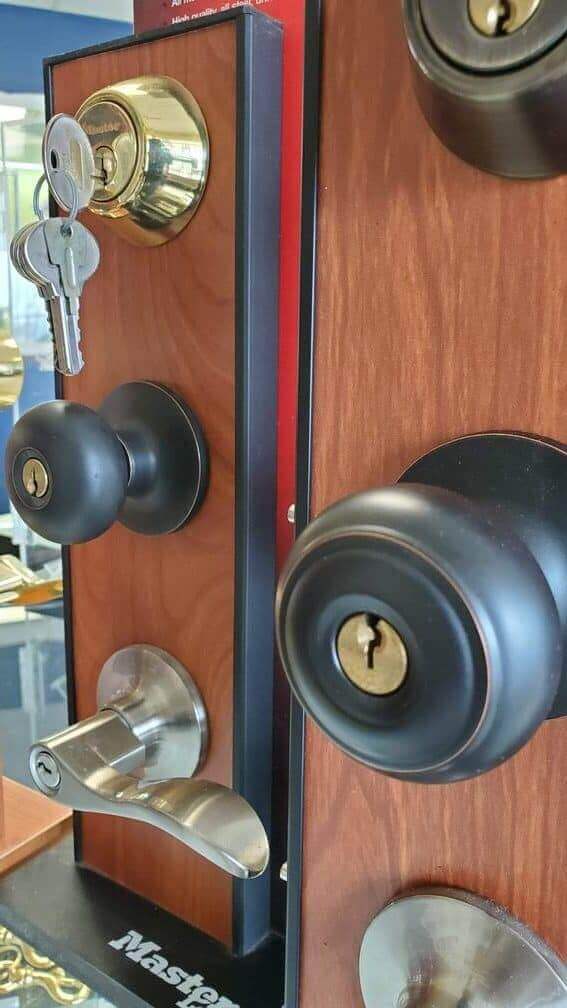
Rekeying is the most common fix. A locksmith changes the internal pins of a lock cylinder so the old key no longer works, and new keys are cut to match the new pattern. This is faster and cheaper than replacing the entire lock hardware. It works well for standard commercial door locks, cabinet locks, and many exit devices.
Replace the lock entirely if the cylinder is worn, damaged, or if security requirements demand a different keyway. For example, if your business uses a high-security restricted key system, replacing the cylinder may be the only way to maintain the integrity of that system. A professional locksmith can advise on the best option based on the age and condition of your hardware.
Update your key register and access schedule
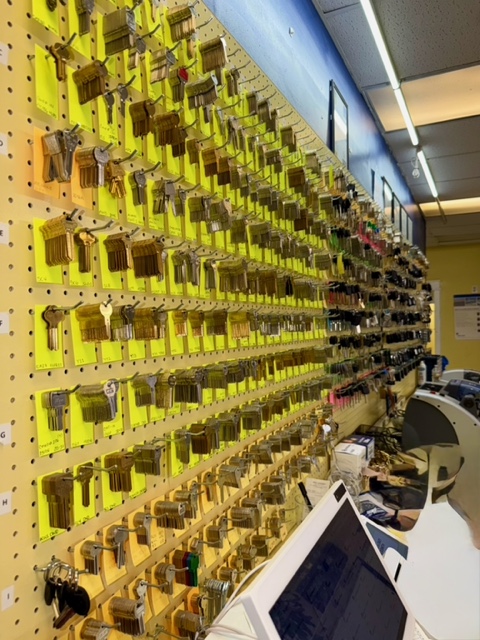
Every business that relies on keys should keep a key register. This is a simple record of who holds which key, when it was issued, and whether it was returned. After a lost key incident, update the register to reflect the change. Remove the lost key from the active list, note the date of the incident, and record the new key assignments after rekeying.
Review your access schedule at the same time. The access schedule is the plan that determines who can enter which areas and at what times. If the missing key belonged to someone who had access to multiple zones, consider whether that level of access was appropriate in the first place. Adjust the schedule to limit future risk. For instance, a delivery driver might only need access to the loading area, not the office or the server closet.
Notify relevant people without causing panic
Let your employees know that a security measure has been updated. You do not need to share every detail, but a brief announcement that locks have been rekeyed and new keys are being issued helps maintain trust. Ask everyone to return old keys promptly. If the missing key was a master key, you may need to inform building management or tenants in a shared facility.
Consider upgrading to a restricted key system
A restricted key system uses keys that can only be cut by an authorized dealer with proof of ownership. This prevents unauthorized duplication. If your business currently uses standard keys that can be copied at any hardware store, a lost key carries greater risk because anyone could have a copy made before you notice it is missing. Switching to a restricted key system adds a layer of protection that makes lost keys less dangerous.
Restricted keys are often part of a master key system where one key opens multiple locks while individual keys open only specific doors. This setup is common in office buildings, warehouses, and retail spaces. A locksmith can help design a system that matches your floor plan and traffic patterns.
Review your maintenance plan
Locks and keys wear out over time. A maintenance plan keeps everything working smoothly and reduces the chance of a key breaking off in a lock or a cylinder becoming too loose to hold a key securely. After a lost key event, it is a good time to inspect all your locks for wear. Look for sticking keys, loose screws on exit devices, or rust on cabinet locks. Addressing small issues now prevents bigger problems later.
A maintenance plan also includes regular updates to the key register and access schedule. Make it a habit to review these documents every quarter. If your business has high employee turnover, consider a more frequent review schedule.
What to do if the key is found later
If the missing key turns up after you have already rekeyed, do not simply put it back into use. The key is now useless for the new locks, but it still represents a security gap if someone copied it before it was lost. Destroy the old key or return it to the locksmith for disposal. Then decide whether to keep the found key as a spare or recycle the metal.
Some businesses keep a secure drop box or lockbox where employees can return found keys immediately. This prevents good keys from being left on desks or in common areas where they could be taken.
When to call a professional locksmith
Handling a lost key situation on your own can work for a single lock on a closet or a cabinet. For anything that affects multiple doors, a master key, or an exit device, bring in a professional. A qualified locksmith can rekey or replace locks on site, advise on the best hardware for your door type, and help you set up a restricted key system if needed. They can also inspect your existing locks for vulnerabilities you might not notice.
Okey Locksmith provides 24/7 mobile automotive, residential, commercial, access control, and emergency locksmith services in Oklahoma City and nearby communities. Their team can handle urgent rekeying after a lost key incident and help you build a more secure key management system going forward. If you are unsure whether to rekey or replace, a professional assessment can save you time and money.
Long-term prevention: build better key habits
Preventing lost keys starts with good habits. Issue keys individually rather than keeping a shared pool. Use key tags with serial numbers that match your key register. Train employees to report a missing key immediately, without fear of punishment. The sooner you know about a missing key, the faster you can limit the damage.
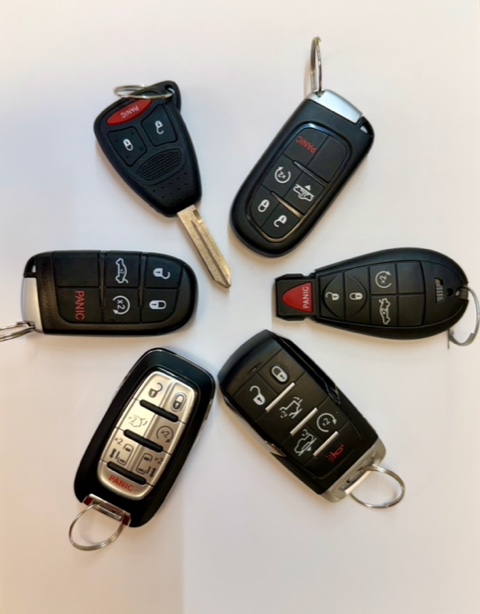
Consider installing a key return box near the exit so people can drop off keys at the end of their shift. For high-security areas, use electronic access control alongside mechanical locks. Electronic systems log every entry and exit, and you can revoke a credential instantly without changing hardware. Combining both systems gives you the reliability of a mechanical lock with the flexibility of digital management.
Finally, review your insurance policy. Some commercial policies cover the cost of rekeying after a lost key, especially if the loss is part of a theft or burglary. Knowing your coverage ahead of time can make the decision to act quickly easier.
Losing a key does not have to turn into a major security event. By responding promptly, updating your records, and working with a trusted locksmith, you can restore security and reduce the chance of it happening again. Okey Locksmith, located at 3121 SW 29th St, Oklahoma City, OK 73119, USA, and reachable at +1 405-703-8943, provides 24/7 mobile automotive, residential, commercial, access control, and emergency locksmith services in Oklahoma City and nearby communities.
Okey Locksmith is also on Facebook.